Learning in the landscape
Follow the honey home.
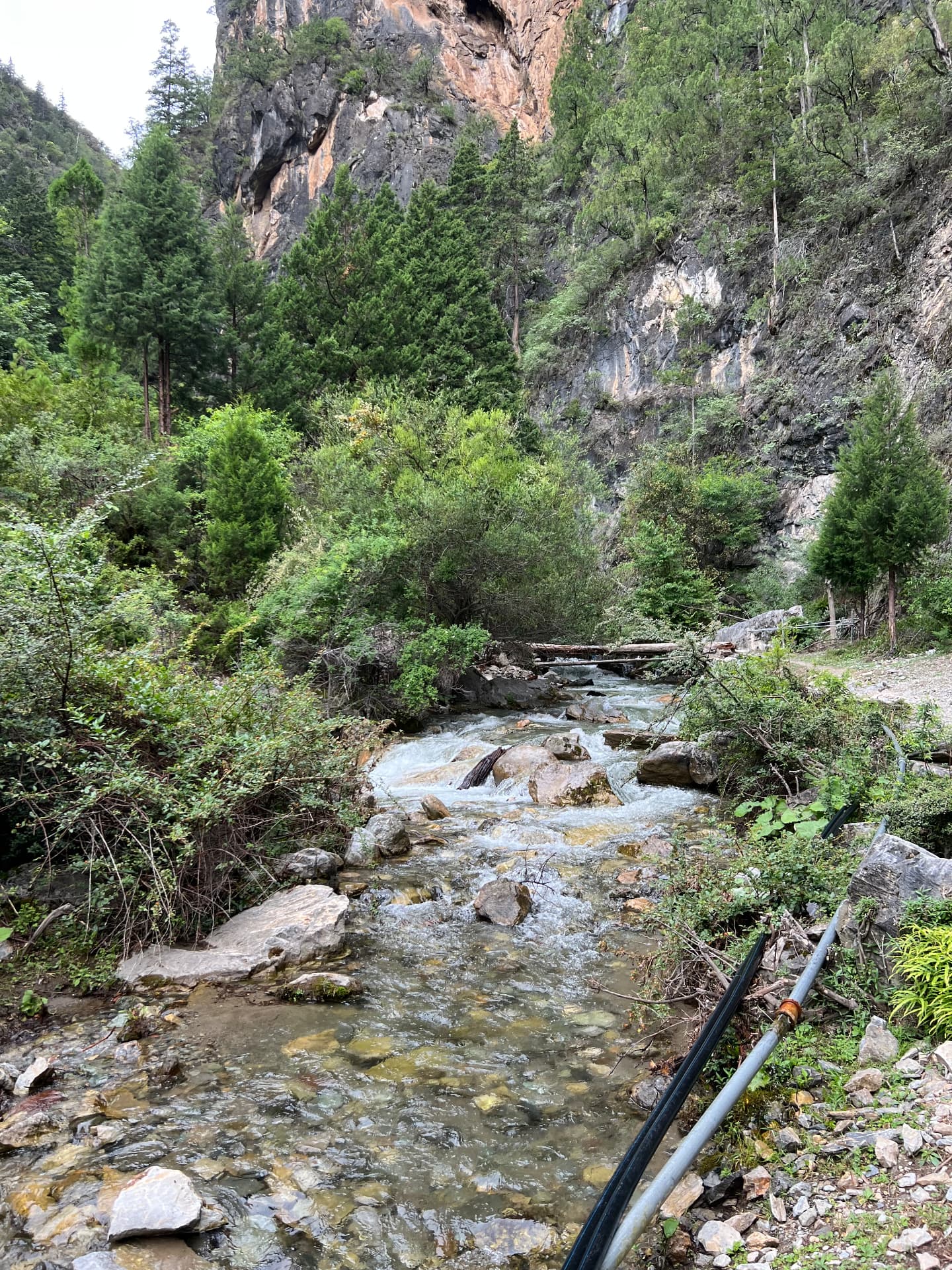
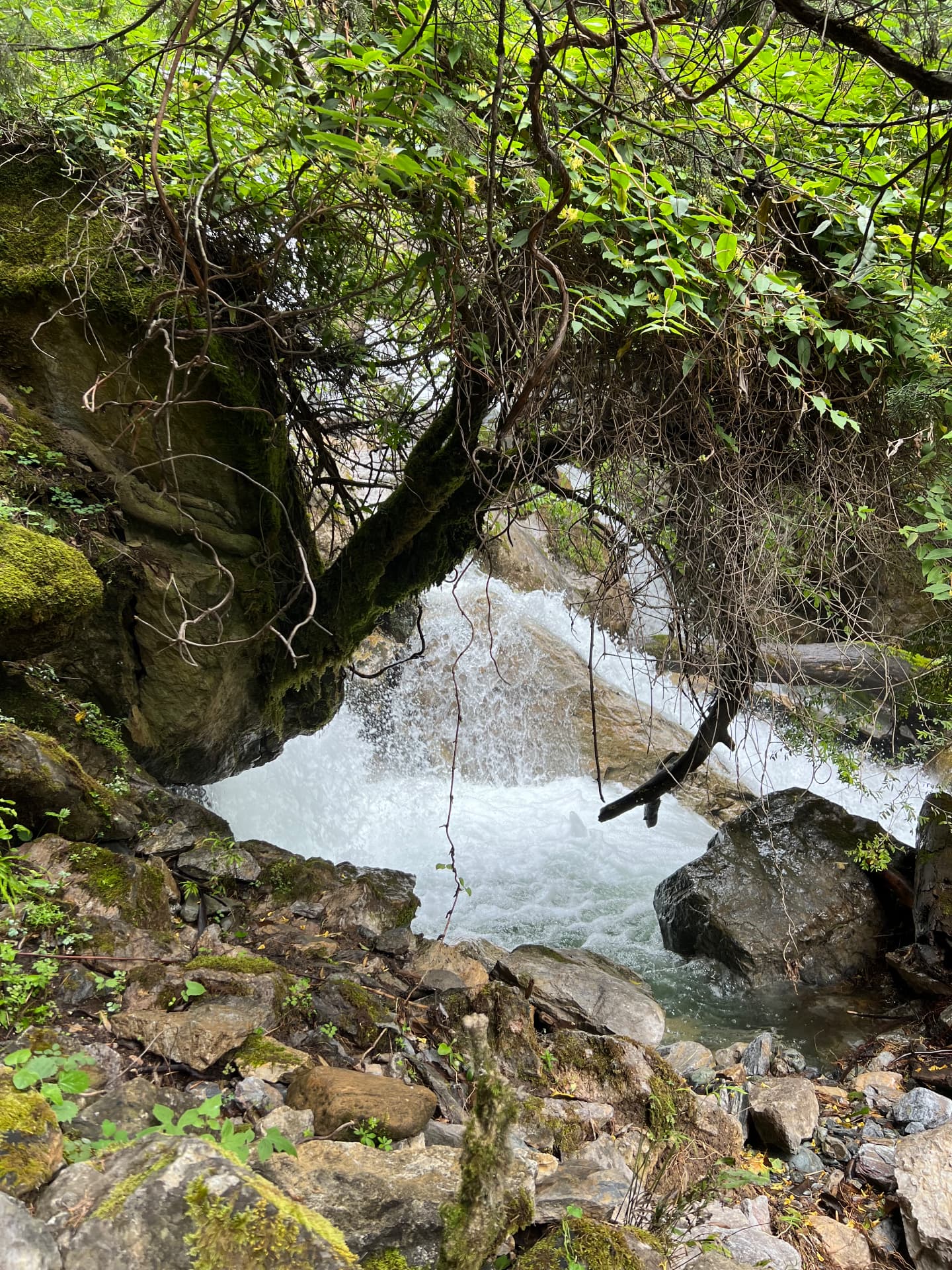
Honey-Seeking hikes bring the story out of the jar and into the forests, apiaries, and communities that sustain it.
 01 · The apiary
Bees before bottles
Beekeeper Zashi Cili explained that Tibetan beekeepers there harvest only about 30% of the honey each year, leaving the rest as the bees' own food. He said beekeepers like him treat bees as friends and as helpers of nature.
 02 · Xianzi traditions
The mountains as relatives
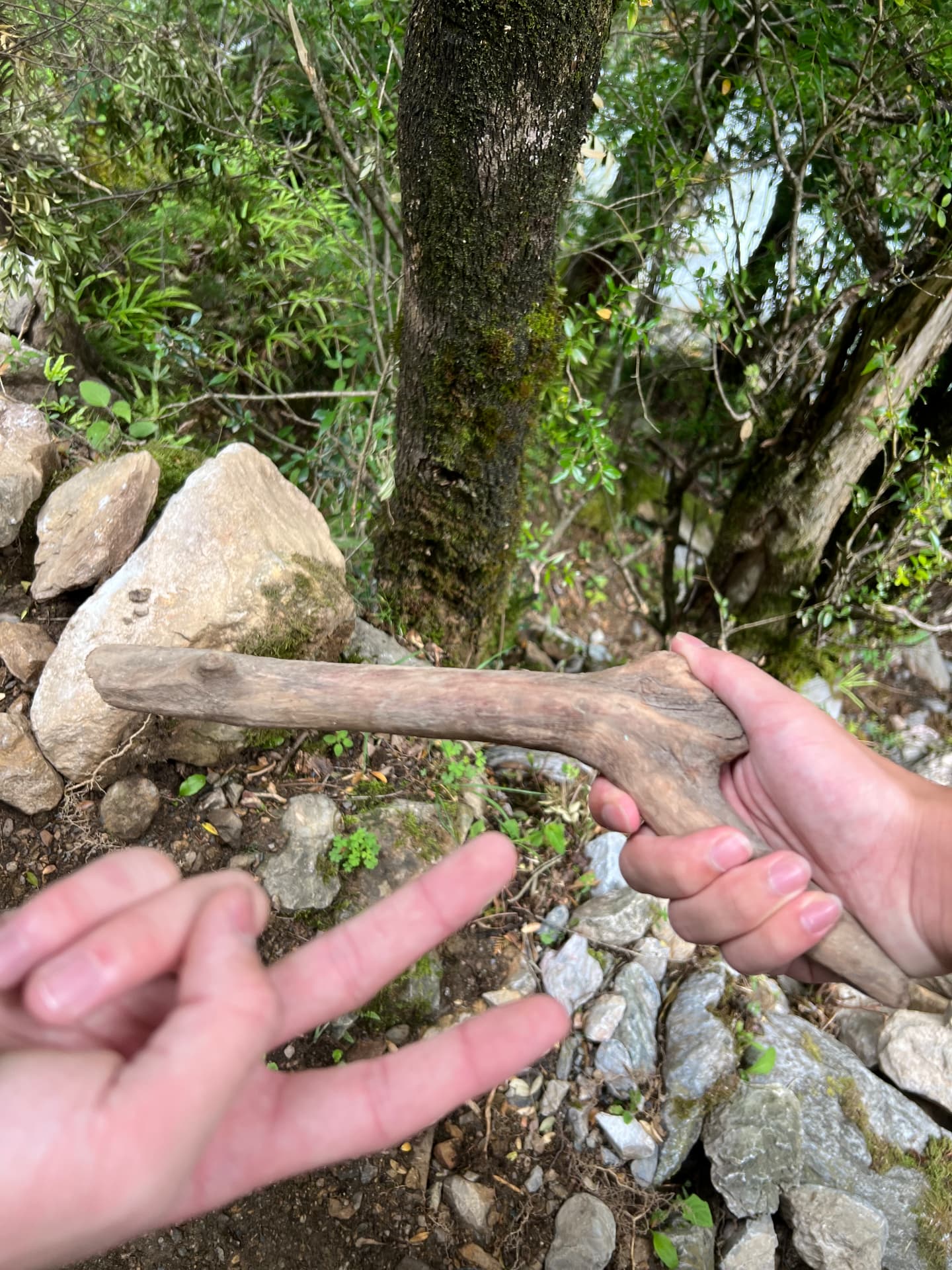
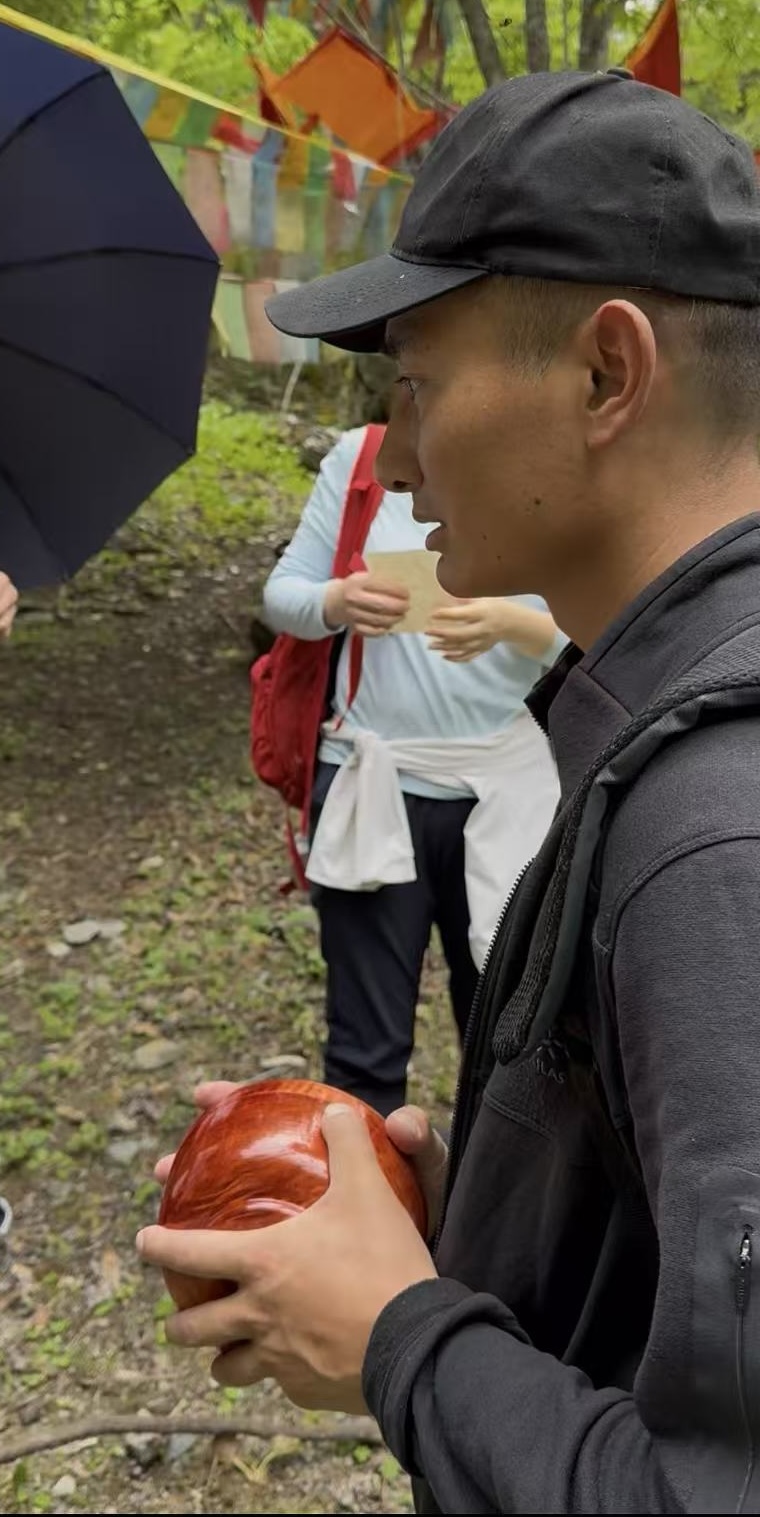
Qili Gerong never cuts down a whole tree to make his instruments: he works with the knotted burls that grow on trunks, taking only what a tree offers on its own. His practice offered another way to understand sustainability — a relationship with the landscape, rather than just a use of its resources.
 03 · Forest walks
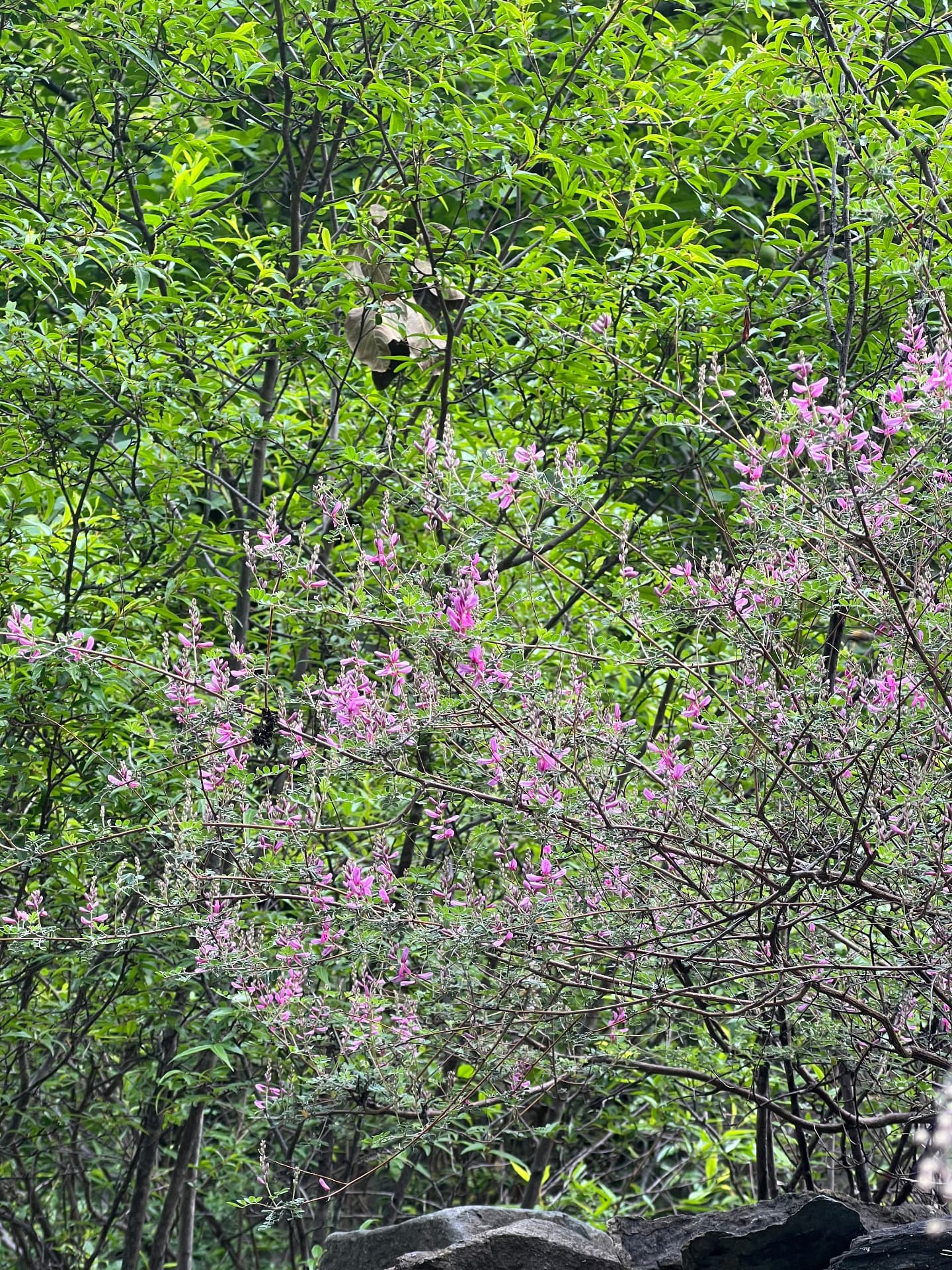
Flowers before flavor
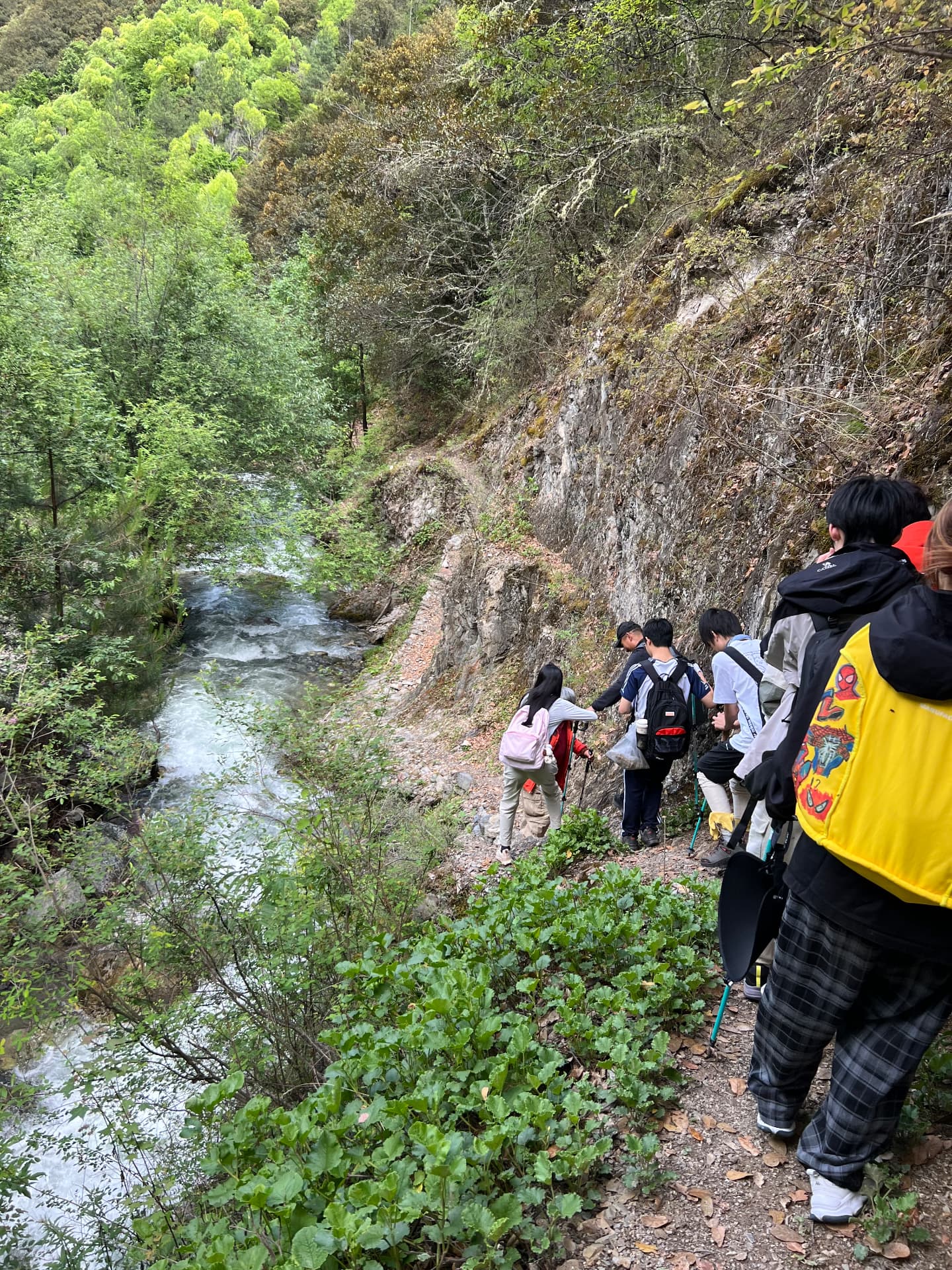
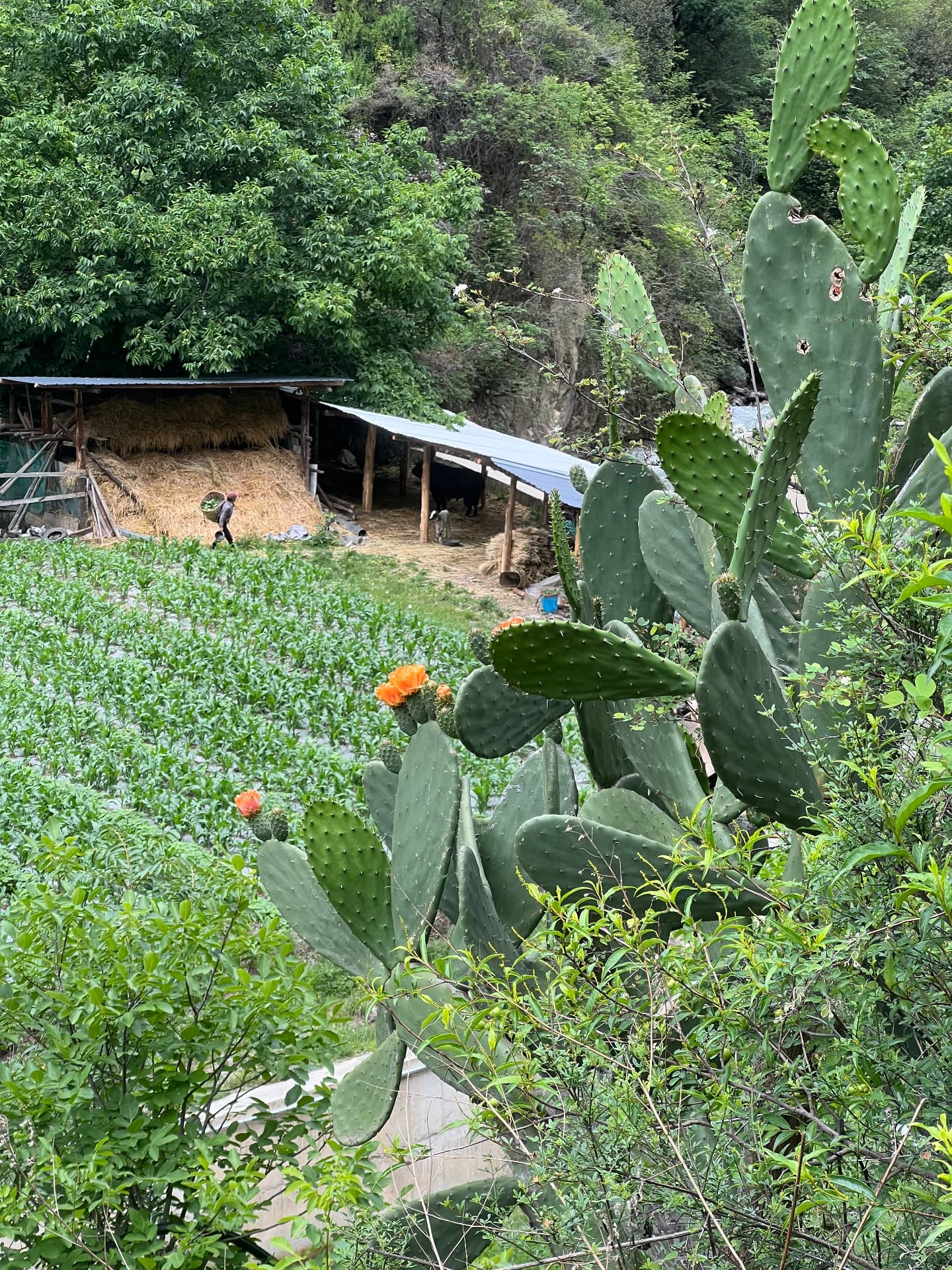
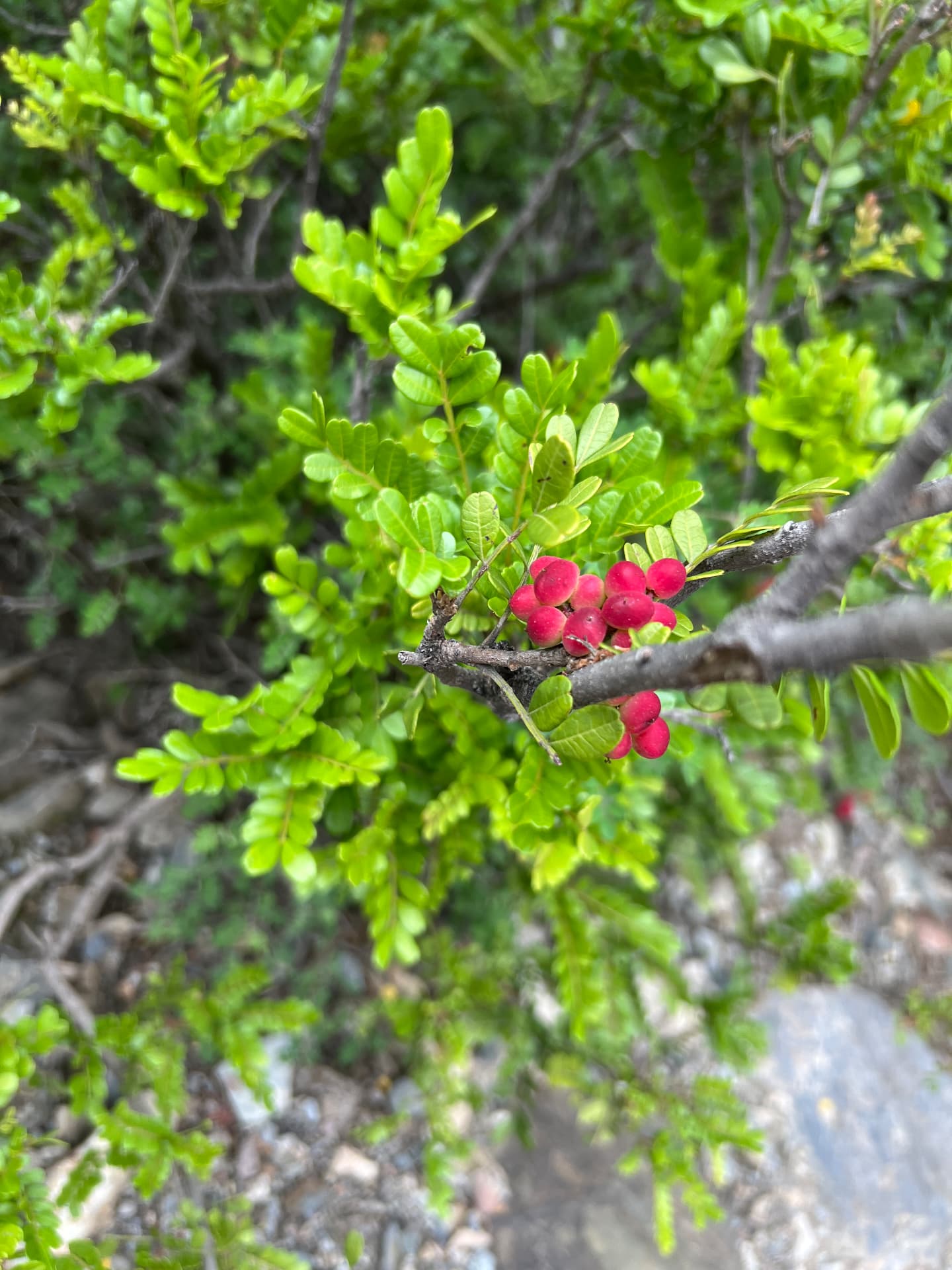
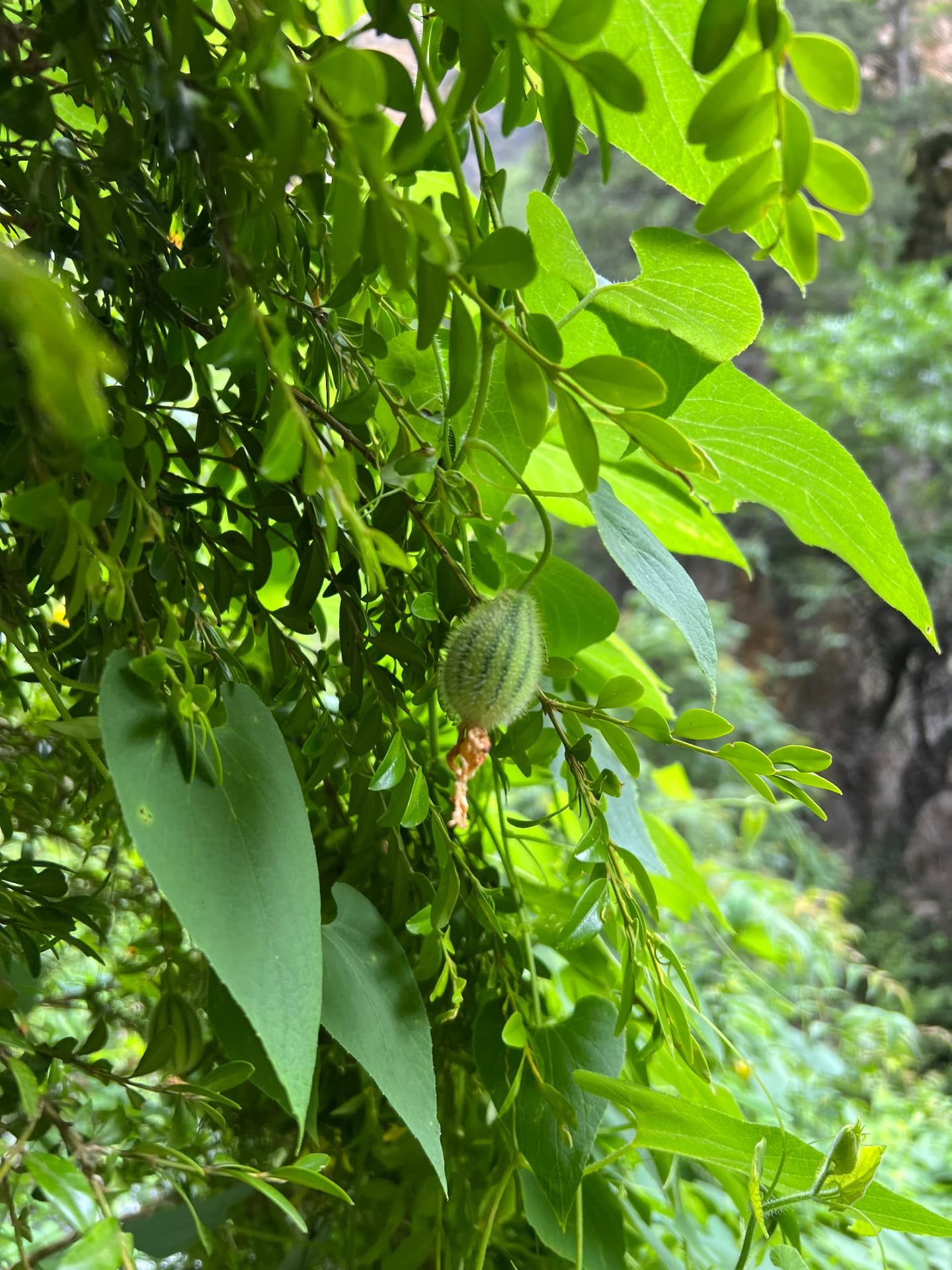
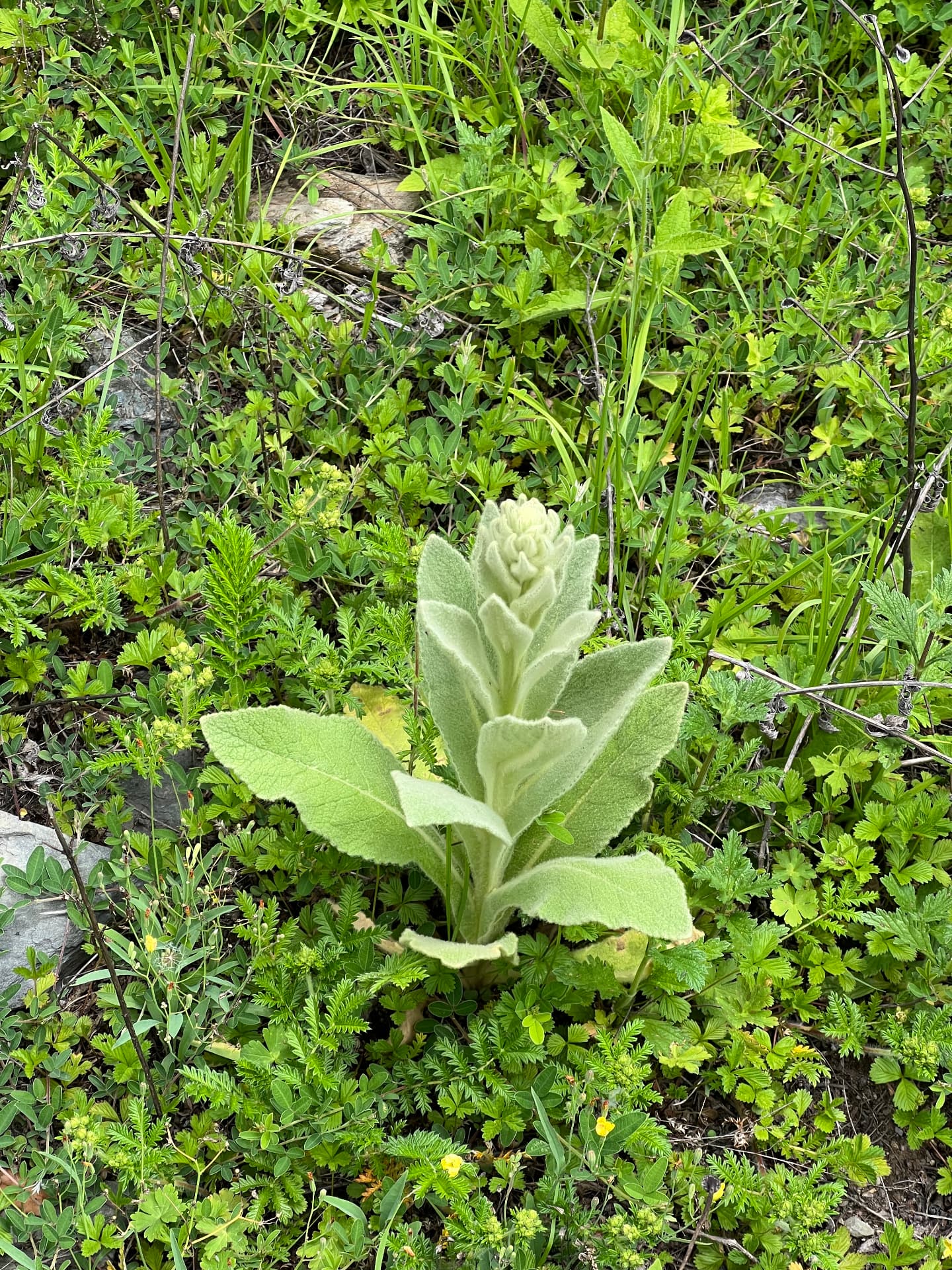
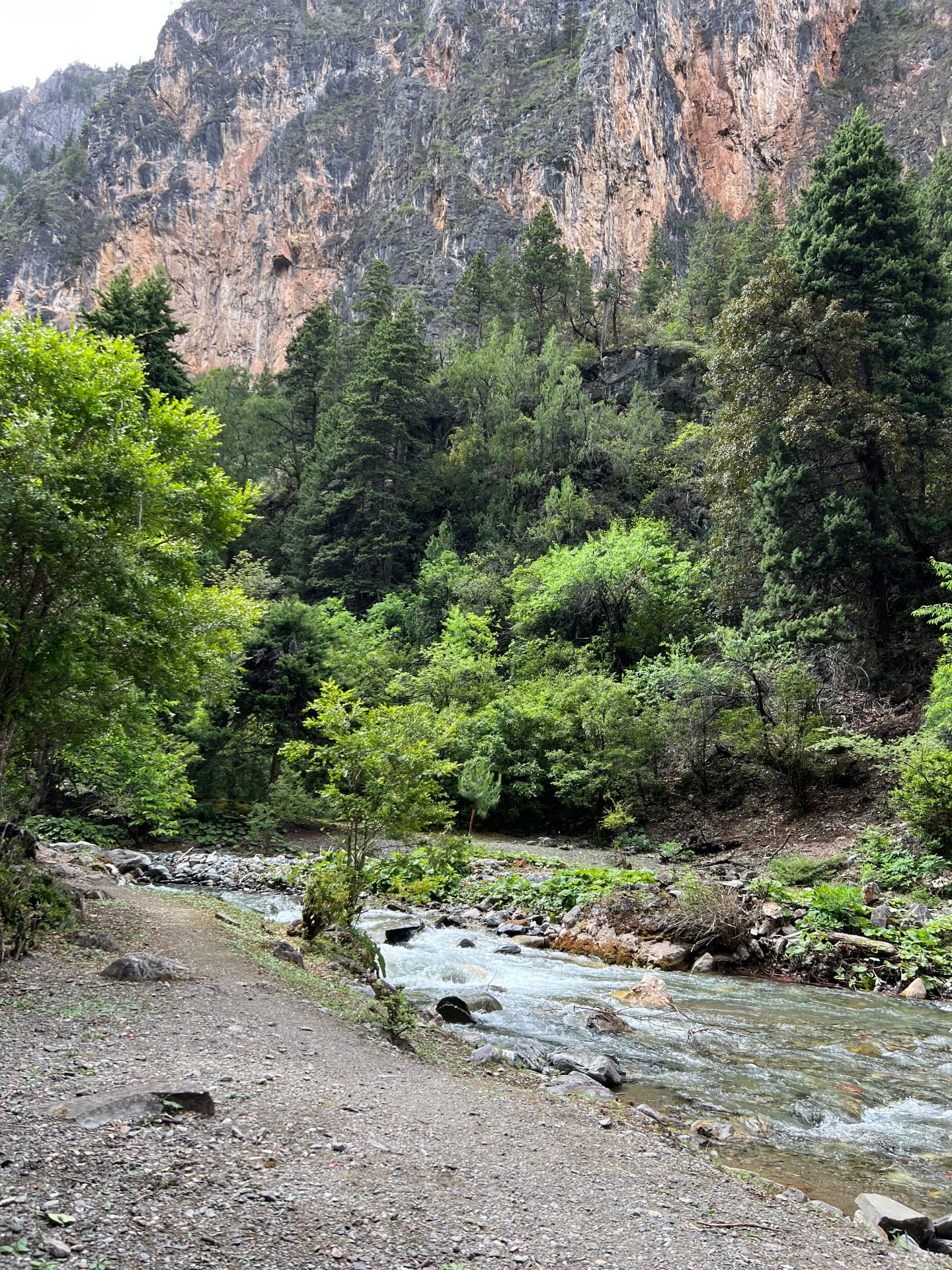
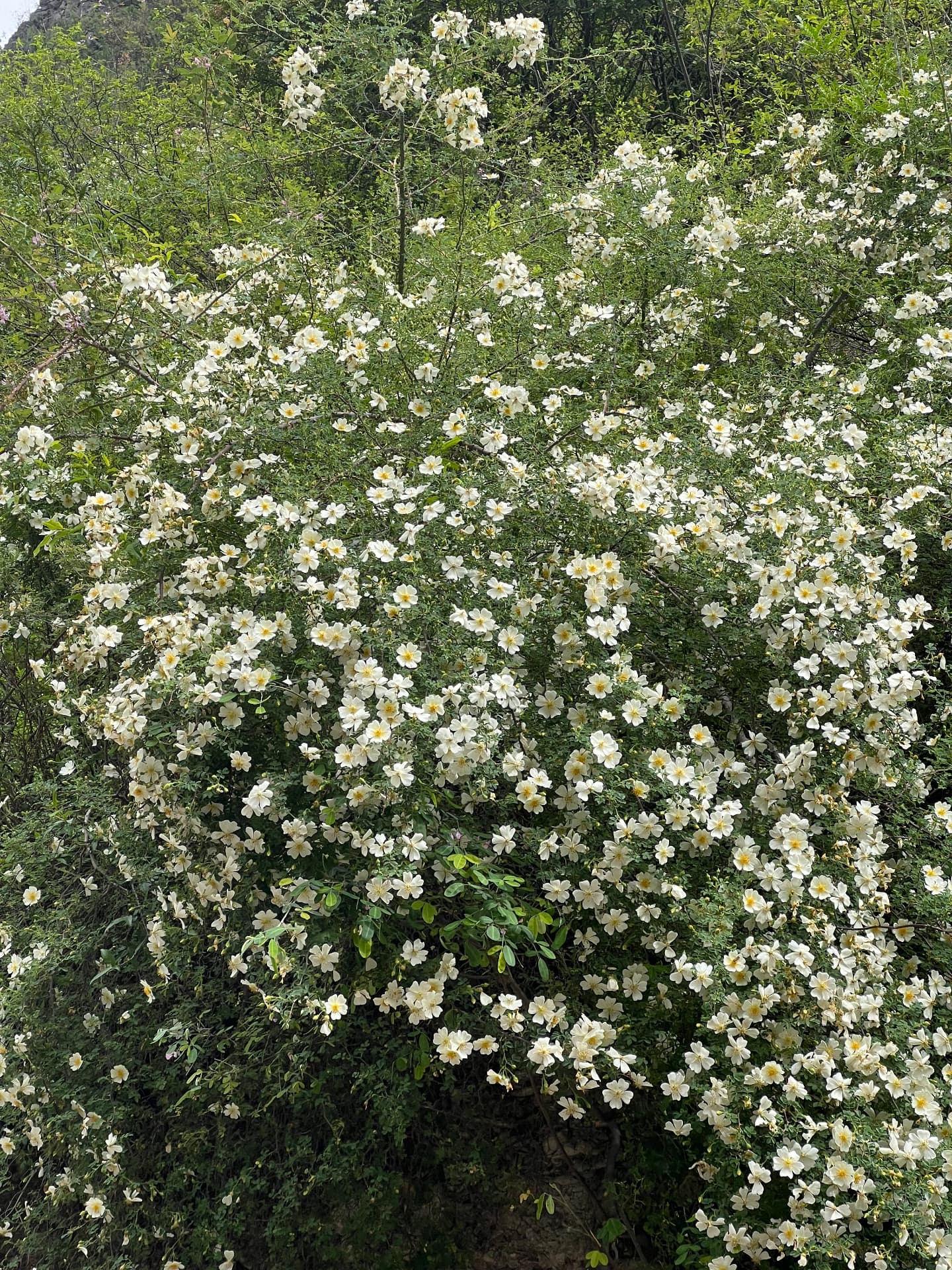
The hikes invite participants to experience the honey's origins and consider how seasonal flowers, forests, and local knowledge connect to the food on their tables.
A return to Shangri-La
For the initiative's founder, the journey began with words like biodiversity and ecological resilience. Listening to local people showed that these ideas also live in everyday choices: leaving smaller mushrooms to grow, caring for bees through winter, and taking only what the landscape can spare.
Looking ahead · 2027
The next Honey-Seeking Journey
A return to Shangri-La is being planned for 2027. Dates, itinerary, participation requirements, and registration details have not yet been confirmed.